Fellowship of the Cultural Department of the City of Graz
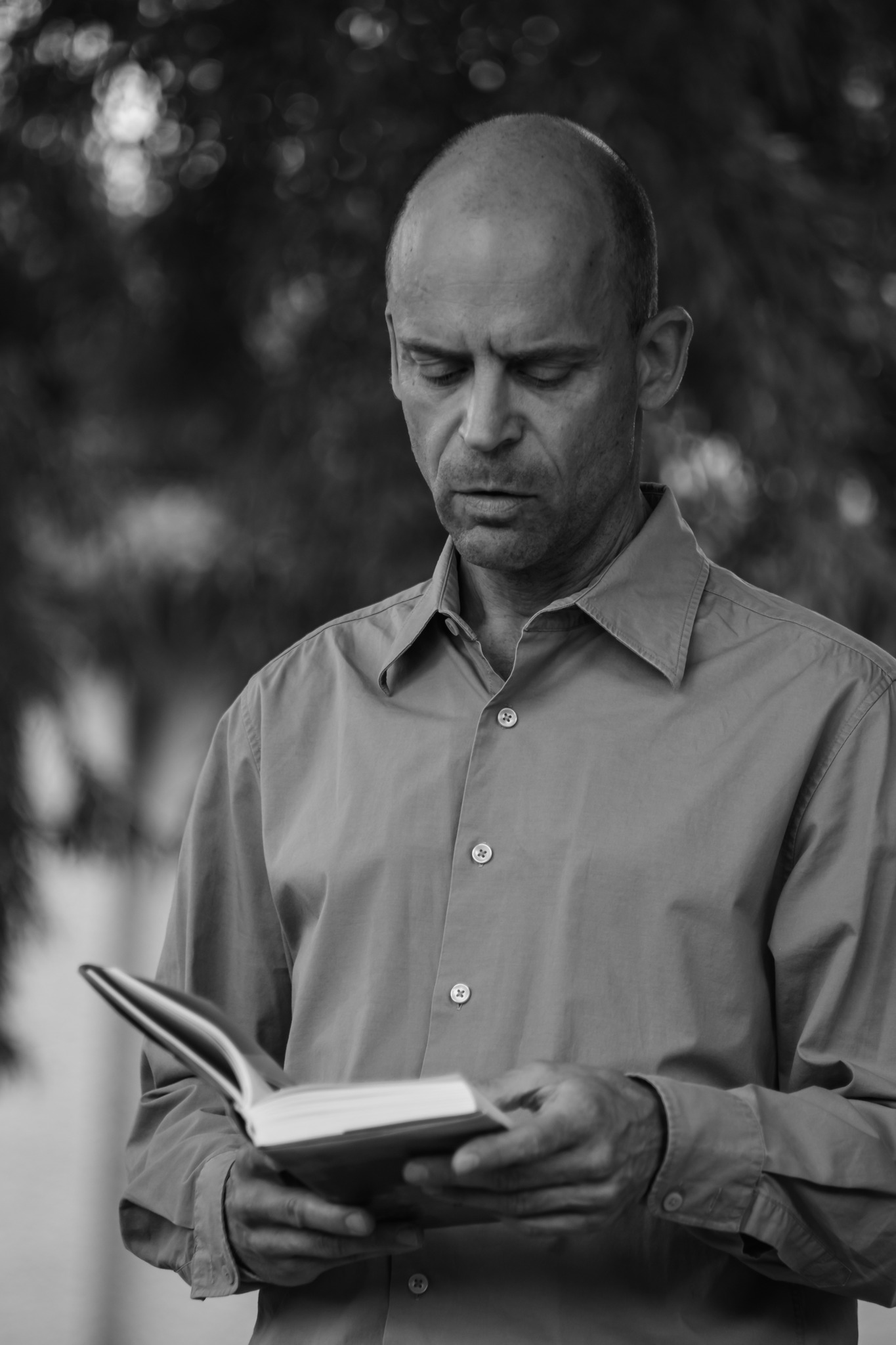
Zoltán Danyi
Senta, Serbia
2026/27
Author and rose grower
* born 1972 in Senta, Yugoslavia
studied philosophy and literature in Novi Sad and Szeged
From 2003 on Zoltán Danyi published several volumes of poetry and short stories. His 2015 debut novel ‘The Carcass Remover’ was the recipient of prestigious Hungarian literary awards, such as the Miklós Mészöly Prize, the Tibor Déry Award and the Milán Füst Award. The German translation of the novel was shortlisted for the HKW Literaturpreis in 2019. His second novel ‘Of Roses’ won the only independent Hungarian literary award, the Merítés Prize. The German translation of the novel was elected the book of the month by the Darmstadt Jury in 2023. The same year ‘Aus dem Tagebuch des Gärtners’ was published in Edition Thanhäuser.
Zoltán Danyi writes and grows roses in Senta, Serbia.
From the jury’s statement:
Radical and empathetic, unsettling and captivating: these seemingly contradictory descriptions characterize the work of author Zoltán Danyi. Already with his debut novel Der Kadaverräumer (2015), which was published in German translation by Suhrkamp in 2018, he impressively succeeded in linking recent European history with individual biographies. Born in Senta in 1972, the author translates the traumas of the Yugoslav War into an almost feverish, highly rhythmic prose that explores the personal psychosocial consequences of the Balkan conflict. In his subsequent book, Rosenroman (2023), Danyi—himself a member of the Hungarian minority in Serbia—also explores the question of how to find a livable present in the face of a violent past, and how to deal with wounds that continually resurface in memory. We can look forward with anticipation to the project he will work on during his tenure as Graz City Writer. In it, he intends to trace the reasons that compel people to remain in places that feel increasingly alien—in a “homeland” that behaves toward the self in a hostile, exclusionary, and threatening manner.
• Fellowship of the Cultural Department of the City of Graz